
Getting a job in Romania is one thing. Keeping it – performing well, building a reputation, earning contract renewals, and building a real European career – is another.
The difference between workers who thrive in Romania and workers who struggle is not always technical skill.
In many cases it comes down to professional conduct, communication habits, and workplace expectations that were never explained before departure.
AMC Nepal’s career training program exists to close that gap entirely. This guide explains what the program covers, why each element matters, and what Nepali workers gain from it before they ever set foot in Romania.
Why Career Training Matters for Nepali Workers Going to Europe
Romanian and European employers consistently identify the same qualities in the foreign workers who succeed long-term – and the same gaps in workers who do not.
The workers who succeed arrive with more than just physical fitness and a willingness to work hard. They arrive understanding how a European workplace is structured, how to communicate professionally with supervisors, how to manage workplace relationships, and how to respond when problems arise.
They understand punctuality not as a preference but as a non-negotiable professional standard. They understand that following instructions precisely – particularly in safety-critical environments – is not about compliance but about professional credibility.
Workers who arrive without this foundation often struggle through their first weeks – not because they lack skills, but because they lack the professional framework to apply those skills in a European context. AMC Nepal’s career training builds that framework before you travel.
What the Career Training Program Covers
Module 1: Punctuality and Reliability – The Foundation of European Employment
In Nepal’s working environment, flexibility around start times, task deadlines, and attendance is often tolerated. In a Romanian factory, construction site, or hotel – it is not.
European employers operate production schedules, shift rotations, and site safety systems that depend on every worker being present and ready at the agreed time.
A worker who arrives late disrupts the entire shift – not just their own work. Lateness is recorded, reported, and in many workplaces, grounds for contract termination after a defined number of occurrences.
AMC Nepal’s career training covers what punctuality actually means in a European workplace context – not as a lecture on values, but as a practical explanation of why it matters and what the consequences of not meeting this standard look like in real terms.
Module 2: Following Instructions and Workplace Hierarchy
Romanian workplaces – particularly in manufacturing, construction, and hospitality – operate with clear lines of authority. Supervisors give instructions. Workers follow them precisely. Questions are asked through the right channels. Problems are reported immediately rather than hidden.
For Nepali workers accustomed to more informal workplace hierarchies, this structure can feel unfamiliar at first.
AMC Nepal’s career training explains how European workplace hierarchy functions – how to address supervisors professionally, how to ask for clarification without creating friction, and how to operate within a structured chain of command while maintaining your own professional dignity.
This is not about blind obedience. It is about understanding that in a European workplace, professional relationships are built on clear role definitions – and respecting those definitions is what earns you the trust and credibility that leads to advancement.
Module 3: Professional Communication
Communication in a European workplace is direct, clear, and professional. This is different from Nepali workplace communication norms in several specific ways – and misunderstanding these differences creates friction that can be completely avoided with the right preparation.
European supervisors expect workers to confirm instructions, report problems clearly and promptly, and communicate needs without excessive hesitation or indirect phrasing. At the same time, communication must remain respectful and professionally appropriate – not overly familiar, not confrontational.
AMC Nepal’s career training covers:
- How to confirm that you have understood an instruction correctly
- How to report a problem or error without creating blame or defensiveness
- How to communicate a need – more time, more materials, a safety concern – professionally and directly
- How to interact with colleagues from different nationalities in a mixed-team environment
- Basic professional email and written communication where relevant to the role
Module 4: Workplace Safety Compliance
Safety compliance in Romanian workplaces is not optional – it is legally enforced and employer-monitored. In factories, construction sites, cold storage facilities, and industrial environments, wearing correct personal protective equipment, following safety protocols, and reporting hazards immediately are legal requirements – not guidelines.
Workers who cut corners on safety – removing gloves, skipping safety boots, ignoring hazard warnings – create legal liability for their employers and physical risk for themselves and colleagues. Romanian employers take this seriously and track safety compliance formally.
AMC Nepal’s career training covers what workplace safety compliance actually looks like in practice – the equipment you will be required to wear, the protocols you will be required to follow, and the reporting procedures that protect both you and your employer when something goes wrong.
This module complements EJS Europe’s dedicated workplace safety briefing – together they ensure no Nepali worker arrives unaware of the safety standards they are expected to meet from day one.
Module 5: Teamwork in a Multicultural Environment
Romanian factories and construction sites employ workers from multiple countries – Nepal, Philippines, Sri Lanka, Bangladesh, Vietnam, and other non-EU nations often work alongside Romanian and EU workers on the same sites.
Managing professional relationships in this multicultural environment requires specific awareness.
Misunderstandings based on cultural differences, communication styles, or workplace behaviour are common sources of friction in mixed-nationality teams.
Workers who understand this in advance – and who approach colleagues from different backgrounds with professional curiosity rather than suspicion or withdrawal – integrate faster and build stronger workplace relationships.
AMC Nepal’s career training covers practical multicultural workplace dynamics – not as a cultural sensitivity lecture, but as a grounded explanation of what mixed-nationality teams look like in Romanian workplaces and how to navigate them successfully.
Module 6: Problem-Solving and Taking Initiative
European employers – particularly in manufacturing and construction – value workers who respond to problems proactively rather than waiting for instructions. If a machine malfunctions, a safety hazard appears, or a task cannot be completed as planned, the expectation is that the worker identifies the problem and reports it immediately – not waits silently for someone else to notice.
This is a specific professional behaviour that many workers from Nepal are not accustomed to demonstrating in a workplace context. The Nepali workplace culture of avoiding drawing attention to problems – to prevent blame or conflict – is the direct opposite of what European employers expect.
AMC Nepal’s career training addresses this directly – explaining why proactive problem reporting is valued in European workplaces and how to develop this habit before you arrive.
Module 7: Professional Presentation and Conduct
European workplaces have clear standards for personal presentation – clean work clothing, appropriate grooming, and professional conduct within the workplace. These standards apply regardless of the role – a factory floor worker is expected to arrive clean, dressed appropriately for their role, and to conduct themselves professionally throughout the shift.
Beyond appearance, professional conduct covers how you interact with colleagues during breaks, how you use your phone during working hours, how you behave in shared accommodation if provided by the employer, and how you present yourself in any interaction with management.
AMC Nepal’s career training covers these standards honestly – not as a list of rules, but as an explanation of why professional presentation matters for your reputation and your contract renewal prospects.
How Career Training Fits Into the Overall Preparation Timeline
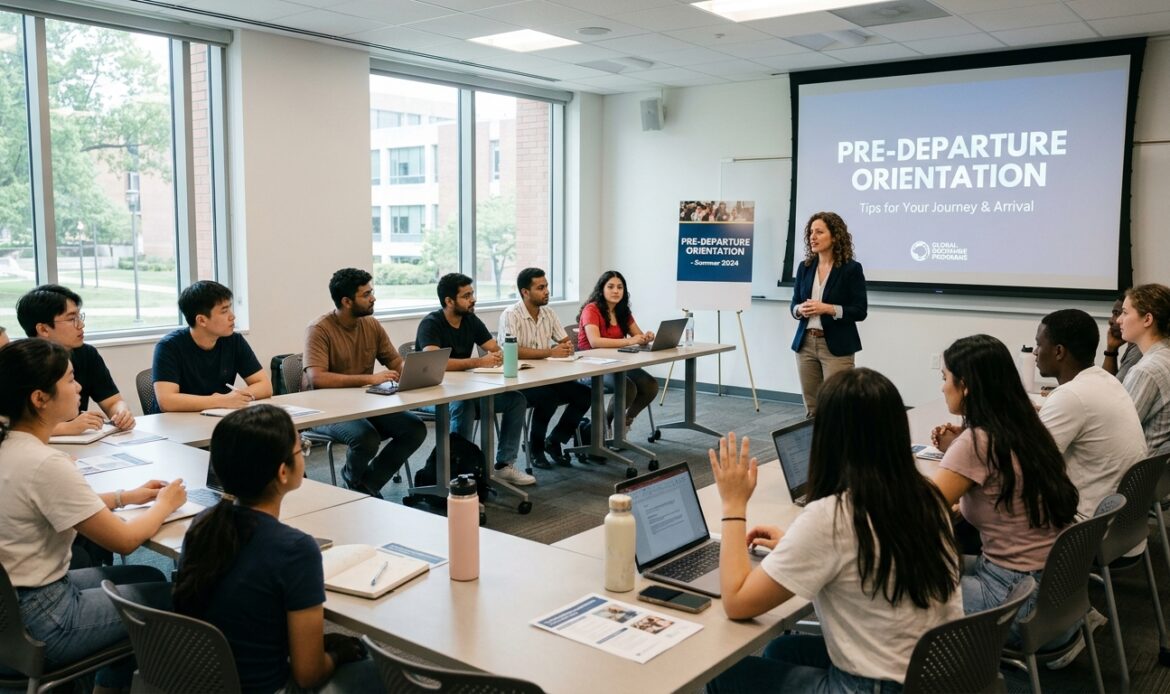
AMC Nepal’s career training runs alongside the other preparation services – not as a separate, time-consuming add-on. It is delivered during the 60 to 90 day work permit processing stage – the period when the Romanian government is reviewing your employer’s work permit application.
This means career training adds no additional time to your overall journey. You use the waiting period productively – building the professional foundation that makes a real difference in your first weeks of work.
The full preparation timeline combines:
- Document preparation – complete verified document file
- Visa guidance – correct process and timing
- Romanian language training – practical workplace and daily life language
- Pre-departure orientation – workplace culture, legal rights, and arrival logistics
- Career training – professional conduct and workplace readiness
Together these services produce a worker who arrives in Romania not just physically present – but genuinely ready.
What Romanian Employers Actually Notice
Research consistently confirms what Romanian employers say directly – the foreign workers who stay, perform well, and earn contract renewals are not always the most technically skilled. They are the most professionally reliable.
Punctuality. Safety compliance. Clear communication. Proactive problem reporting. Professional conduct. These are the qualities that separate a worker who is kept from a worker who is let go at the end of their first contract.
AMC Nepal’s career training is built entirely around these qualities – because they are what actually determines whether your Romanian work journey is a success.
Frequently Asked Questions
Is Career Training Mandatory for All AMC Nepal Candidates?
Career training is a core part of AMC Nepal’s preparation program and is strongly recommended for all candidates. Workers who complete the full preparation package – including career training – consistently perform better in their first contract than those who do not.
How Long Does the Career Training Program Take?
The career training program is delivered over multiple sessions during the work permit processing stage. The total time commitment is manageable alongside other preparation activities and does not add to your overall journey timeline.
Does Career Training Help With the Embassy Interview?
Yes. The professional communication and confidence-building elements of career training directly improve embassy interview performance – alongside the dedicated interview preparation covered in the pre-departure orientation.
What If I Already Have European Work Experience?
Candidates with prior European work experience may have already developed some of the professional habits covered in career training. AMC Nepal’s advisor assesses your background at the free consultation stage and tailors the preparation program to your specific needs – rather than applying a generic program to every candidate.
How Do I Get Started?
Book a free consultation with AMC Nepal – your advisor will assess your situation and explain the full preparation program including career training in detail.
Arrive Ready. Perform Well. Build a Career.
Technical skills get you the job. Professional conduct keeps it – and builds the reputation that leads to contract renewals, supervisory roles, and a genuine European career.
AMC Nepal’s career training program is the preparation stage that most agencies skip entirely – and the one that makes the most practical difference in your first weeks and months in Romania.
At AMC Nepal, we prepare you. Through EJS Europe, you get placed. Together, you arrive in Romania fully ready to succeed.
Book your free consultation today and let’s build your Europe preparation plan together.