
However much research you do before travelling, certain everyday realities of life in Europe tend to catch newcomers off guard – not major cultural differences necessarily, but small, practical surprises that simply do not come up in typical pre-departure conversations.
These are the details that genuinely surprise Nepali travelers most often, regardless of whether their destination is Romania, Cyprus, or Croatia.
This guide covers exactly these everyday surprises, so you can arrive with a more accurate, grounded picture of daily life in Europe.
Why First Impressions of Europe Rarely Match Expectations
Much of what people know about Europe before arriving comes from photos, movies, and secondhand stories – all of which tend to emphasise the dramatic or picturesque, while overlooking the small, practical details of daily life.
This gap between the imagined picture and actual daily reality is where most genuine surprises originate, and it is worth understanding in advance simply to avoid unnecessary disorientation upon arrival.
The Weather Is More Extreme Than Expected
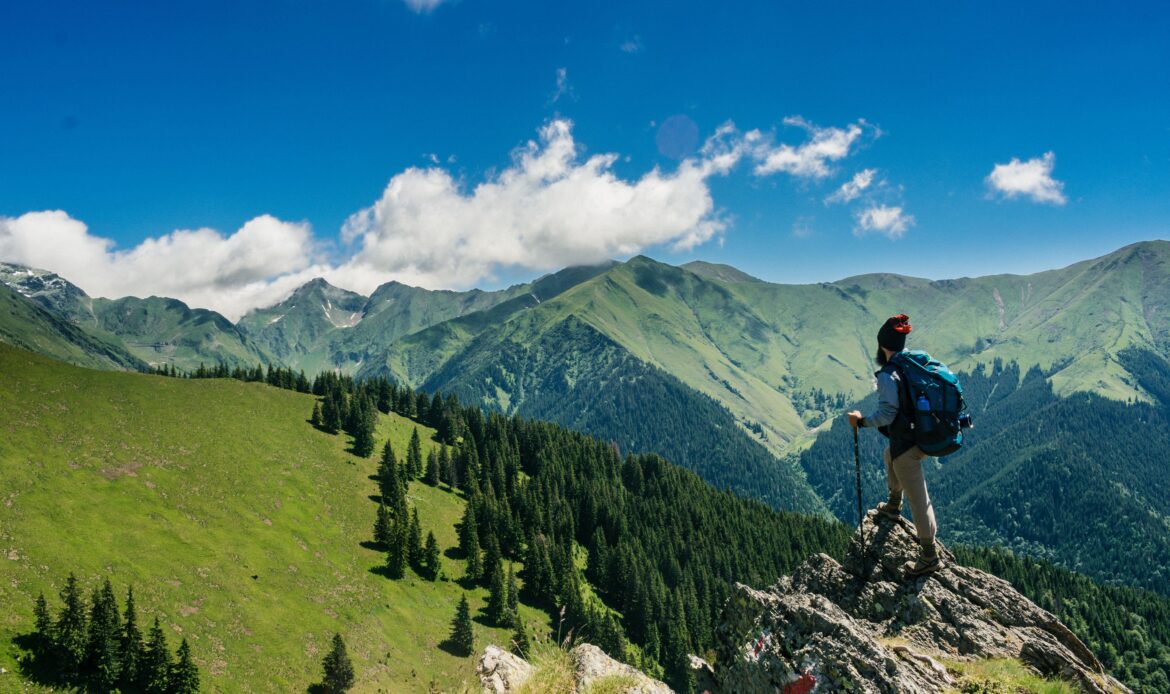
Regardless of specific destination, most European countries experience a genuinely distinct four-season climate, with winters considerably colder and summers often hotter than many travelers anticipate. Romania in particular has real, sustained winter cold with regular snowfall, catching many newcomers off guard who assumed a milder, more temperate climate throughout the year. Packing appropriately for genuine seasonal extremes, rather than assuming a single climate applies year-round, is one of the most practical adjustments new arrivals need to make quickly.
Shops and Services Keep Different Hours Than You’d Expect
Many newcomers are surprised to discover that shops, government offices, and even some restaurants keep more limited and predictable hours than the more flexible, often longer opening hours common in parts of Nepal. Sundays in particular often see many businesses closed entirely in various European countries, a genuine surprise for travelers used to shops remaining open every day of the week.
Public Transport Is Often More Reliable Than Assumed
On a more pleasant note, many travelers are surprised by just how reliable, clean, and well-organised public transport systems are across most European cities. Buses, trams, and trains generally run on published, dependable schedules, and this level of consistency often exceeds what travelers initially expect, making it genuinely easy to get around once you understand the local system.
Cash Is Used Less Than You Might Think
Card and digital payments are considerably more central to daily transactions across most of Europe than many travelers initially anticipate, with even small purchases – a coffee, a bus ticket, a market item – frequently paid by card or mobile payment rather than cash. Arriving with the assumption that cash will be your primary payment method throughout your stay often requires a fairly quick adjustment once you discover how card-dependent daily transactions actually are.
Life Moves at a Different Pace on Sundays and Holidays
Beyond just shop hours, many newcomers notice that entire cities feel genuinely quieter on Sundays and public holidays, with a more pronounced sense of rest and family time built into the weekly and annual rhythm than many are used to. This is a specific cultural rhythm worth anticipating, rather than being surprised by unexpectedly quiet streets and closed businesses on what might otherwise feel like an ordinary day.
Streets and Public Spaces Often Feel Quieter Than Expected
Related to this, many travelers are surprised by how comparatively quiet and orderly public spaces feel in many European cities – less constant activity and noise than some travelers expect, along with a generally more reserved public demeanor among strangers compared to some other cultural contexts. This is not unfriendliness; it simply reflects different norms around public behaviour and interaction with strangers.
Bureaucracy Involves More Paperwork Than Anticipated
Daily administrative tasks – opening a bank account, registering an address, even some routine service requests – often involve more formal documentation and process than many newcomers initially expect. European bureaucratic systems tend to be thorough and paper-based (or increasingly digital, but still process-heavy), and adjusting to this more formal approach to everyday administrative tasks is a common early surprise, particularly for tasks that might be handled more informally elsewhere.
The Cost of Living Isn’t Always What You’d Guess
Many travelers arrive with an assumption that “Europe” universally means an extremely high cost of living, only to discover that countries like Romania, Croatia, and parts of Cyprus offer considerably more affordable daily costs than Western European destinations, particularly for groceries, local transport, and dining out. This is often a genuinely pleasant surprise, though it is worth researching your specific destination’s actual costs rather than assuming a single “European” price level applies uniformly everywhere.
Food Culture Takes Some Adjustment
Local cuisine across European destinations differs significantly from Nepali food in spice level, ingredients, and typical meal structure, and many travelers are surprised by how much adjustment this takes, even when they expected some difference in advance. At the same time, most cities with any international community have access to South Asian ingredients and sometimes Nepali-specific grocers, making it genuinely possible to maintain familiar cooking habits alongside exploring local food, once you know where to look.
How AMC Nepal Helps You Prepare for These Surprises
Understanding these everyday realities in advance considerably reduces the disorientation of encountering them all at once, without any context, upon arrival. Our Pre-Departure Orientation program covers exactly this kind of practical, everyday preparation, helping you arrive with a genuinely accurate picture of daily life rather than an idealised or incomplete one.
Whether your destination is Romania, Cyprus, or Croatia, each has its own specific version of these general European patterns, and our country-specific guidance helps you understand exactly what to expect for your particular destination rather than relying on generic assumptions about “Europe” as a whole.
Hearing how other travelers have navigated these everyday surprises can offer genuine, grounded reassurance. Our testimonials page shares real accounts from Rajesh Thapa, Bikash Rai, Anita Shrestha, and Sita Karki, each of whom experienced their own version of these adjustments after preparing with AMC Nepal.
Small Surprises Add Up – Preparation Helps
None of these surprises are genuinely serious obstacles on their own, but encountering many of them at once, without any advance context, can make your first days in Europe feel more disorienting than necessary. Understanding these everyday realities in advance turns a series of small, unexpected surprises into simply the expected, familiar texture of daily life in your new country.
If you are preparing for your own journey to Europe and want practical guidance that covers these everyday realities, not just visas and documents, get in touch with our team for a free consultation.