
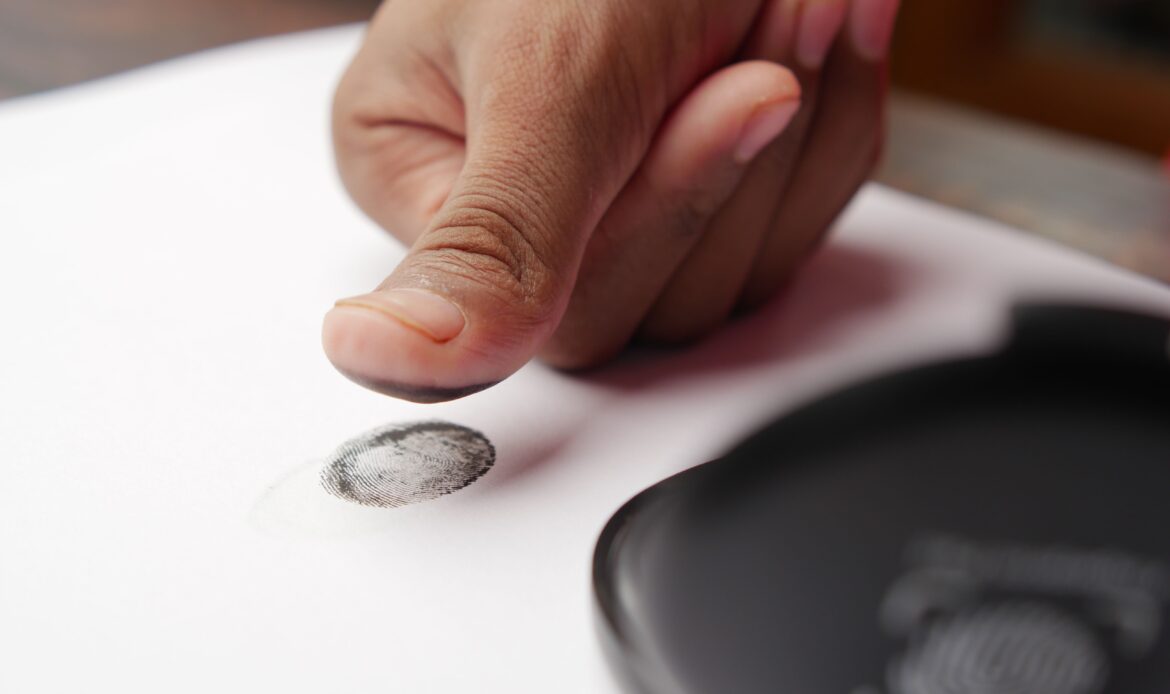
When you apply for a Romanian visa, you will be asked to provide biometric data. For many first-time applicants, particularly from Nepal, this can feel unfamiliar or even intimidating. You may wonder what exactly is being collected, why it is needed, and what happens to it afterwards. The answer is reassuring. Biometric data collection is a standard, secure part of the visa process across Europe, and understanding why it exists removes most of the concern around it. This guide explains what biometric data Romania collects, why it is requested, and what applicants should know.
What Biometric Data Actually Means
Biometric data sounds technical, but it refers to two simple things.
- Fingerprints. Applicants provide scans of their fingers, typically all ten, taken on a digital scanner.
- A facial image. A digital photograph of the applicant’s face is captured or submitted according to specific standards.
- Together, these two elements make up the biometric data collected for a visa application.
- No other physical measurements are taken for a standard visa application.
This is the same biometric data collected across the Schengen Area and by most modern immigration systems worldwide.
Where and When Biometrics Are Collected
Understanding the practical side helps set expectations.
- Biometric data is collected in person, usually at a visa application centre or the relevant embassy or consulate.
- This is why most visa applications require the applicant to attend an appointment rather than applying entirely online.
- The process is quick. Fingerprint scanning and photograph capture typically take only a few minutes.
- Applicants must attend in person because biometric data cannot be collected remotely.
The Main Reasons Romania Requests Biometric Data
There are several clear reasons behind biometric collection, and all of them relate to making the system fairer and more secure.
To Confirm Identity
- Biometric data confirms that the person applying is genuinely who they claim to be.
- Fingerprints and facial images are unique to each individual, making them a reliable way to verify identity.
- This protects genuine applicants by ensuring no one else can apply or travel using their identity.
To Prevent Fraud
- Biometrics make it extremely difficult for a person to apply under multiple identities or to use false documents successfully.
- If someone has previously applied under a different name, their fingerprints can reveal this.
- This keeps the system honest and protects it from abuse, which ultimately benefits legitimate applicants.
To Strengthen Security
- Biometric data allows authorities to check applicants against relevant security and immigration databases.
- This helps identify individuals who may pose a security risk or who have previously breached immigration rules.
- For the vast majority of applicants, who have nothing to hide, this check is routine and passes without issue.
To Link the Visa Securely to the Traveller
- When a visa is issued, the biometric data ensures the visa is tied to the specific person it was granted to.
- At the border, this allows officials to confirm that the person presenting the visa is the person it belongs to.
- This prevents visas from being transferred or misused by anyone other than the rightful holder.
The Visa Information System (VIS)
Romania’s biometric collection connects to a wider European system.
- The Visa Information System, known as VIS, is a shared European database that stores visa application data, including biometrics, from across the Schengen Area.
- It allows Schengen countries to share visa information securely, so that applications can be checked consistently across borders.
- Since Romania became a full member of the Schengen Area, it participates in these shared systems.
- VIS helps ensure that a person cannot make conflicting or fraudulent applications in different countries without this being detected.
The existence of VIS is a large part of why biometric data is collected in a standardised way. It is not unique to Romania but part of a coordinated European approach.
How Biometrics Connect to Border Systems
Biometric data also plays a role once you travel.
- The European Union is introducing the Entry/Exit System, known as EES, which records the entry and exit of non-EU travellers using biometric data.
- This system is being rolled out across the Schengen Area, including Romania, during 2026.
- It replaces manual passport stamping with a digital record linked to biometric data.
- This means the biometric data associated with your visa also supports smoother and more accurate border processing.
What Happens to Your Biometric Data
A common and reasonable concern is what happens to the data after it is collected.
- Biometric data is stored securely within the European visa and border systems.
- It is retained for a defined period. In the VIS system, visa application data is generally kept for up to five years.
- The data is protected under European data protection law, which sets strict rules on how it can be stored, accessed, and used.
- Access to the data is limited to authorised authorities for specific, lawful purposes such as visa processing and border control.
Reuse of Fingerprints
A practical point that many repeat applicants appreciate is that fingerprints do not always need to be given again.
- Once collected, fingerprints stored in VIS remain valid for a period of 59 months, which is just under five years.
- If you apply for another Schengen or Romanian visa within that period, your existing fingerprints may be reused.
- This can make subsequent applications faster, since you may not need to attend in person solely to provide fingerprints again.
- Requirements can vary, so applicants should always confirm whether they need to attend for new biometric collection.
Who Is Exempt From Providing Fingerprints
Not everyone is required to provide fingerprints.
- Children under the age of 12 are generally exempt from providing fingerprints, though a facial photograph is still required.
- People for whom fingerprinting is physically impossible are exempt from the fingerprint requirement.
- Certain categories of official travellers may be treated differently under specific arrangements.
- For the vast majority of ordinary applicants, however, providing fingerprints and a facial image is a standard part of the process.
What Applicants Should Do to Prepare
There is very little an applicant needs to do, but a few points help the process go smoothly.
- Attend your biometric appointment in person and on time, since the data cannot be collected any other way.
- Ensure your fingers are clean and free of injuries where possible, as cuts or heavy dirt can affect fingerprint scanning.
- Follow the photograph guidelines if a facial image is required in advance, including background, expression, and image quality standards.
- Approach the process calmly. It is routine, quick, and nothing to be anxious about for a genuine applicant.
Why Honest Applicants Have Nothing to Fear
For a well-prepared, honest applicant, biometric collection is simply a formality.
- Biometric data is designed to protect genuine applicants as much as to detect fraud.
- It ensures that your identity cannot be stolen or misused by someone else in the visa system.
- It makes your application more secure and your border crossings smoother.
- The only people disadvantaged by biometric systems are those attempting fraud, which is exactly the point.
Understanding this helps applicants see biometric collection not as a hurdle, but as a protection built into a fair system.
How AMC Nepal Helps With the Visa Process
Preparing properly for every stage of a Romanian visa application, including the biometric appointment, is part of what good preparation involves.
- Our visa services overview explains the different Romanian and European visa types and what each involves.
- For applicants pursuing a Schengen visa specifically, our Schengen visa guidance covers what to expect.
- Our frequently asked questions page answers common questions about the visa and preparation process.
- You can learn about the people who guide you through the process on our our team page.
- Our visa guidance service supports you through each stage of the application, including the biometric appointment.
Frequently Asked Questions
What biometric data does Romania collect for a visa? Romania collects two types of biometric data: fingerprints, usually of all ten fingers, and a digital facial photograph. This is the same biometric data collected across the Schengen Area.
Why does Romania need my fingerprints for a visa? Fingerprints confirm your identity, prevent fraud by making it difficult to apply under multiple identities, strengthen security checks, and securely link the visa to you as the rightful holder. This protects both the system and genuine applicants.
Do I have to give biometrics in person? Yes. Biometric data cannot be collected remotely, which is why most visa applications require an in-person appointment at a visa application centre, embassy, or consulate.
How long is my biometric data kept? In the Visa Information System, visa application data including biometrics is generally retained for up to five years. Fingerprints remain valid for reuse for 59 months, so a further application within that period may not require you to give them again.
Is my biometric data safe? Yes. Biometric data is stored securely within European visa and border systems and is protected under strict European data protection law. Access is limited to authorised authorities for lawful purposes only.
Who does not need to give fingerprints? Children under 12 are exempt from fingerprinting, though a facial photograph is still taken. People for whom fingerprinting is physically impossible are also exempt. Most ordinary adult applicants must provide both fingerprints and a facial image.
Final Thoughts and Next Step
Romania requests biometric data from visa applicants for clear and reasonable purposes: to confirm identity, prevent fraud, strengthen security, and link the visa securely to its rightful holder. The data is collected quickly and in person, stored securely under European data protection law, and connected to shared systems like VIS and the incoming EES that make the whole process more consistent and secure. For an honest, well-prepared applicant, biometric collection is a simple, routine step and nothing to worry about.
If you want help preparing for every stage of your Romanian visa application, contact AMC Nepal for a free consultation.