
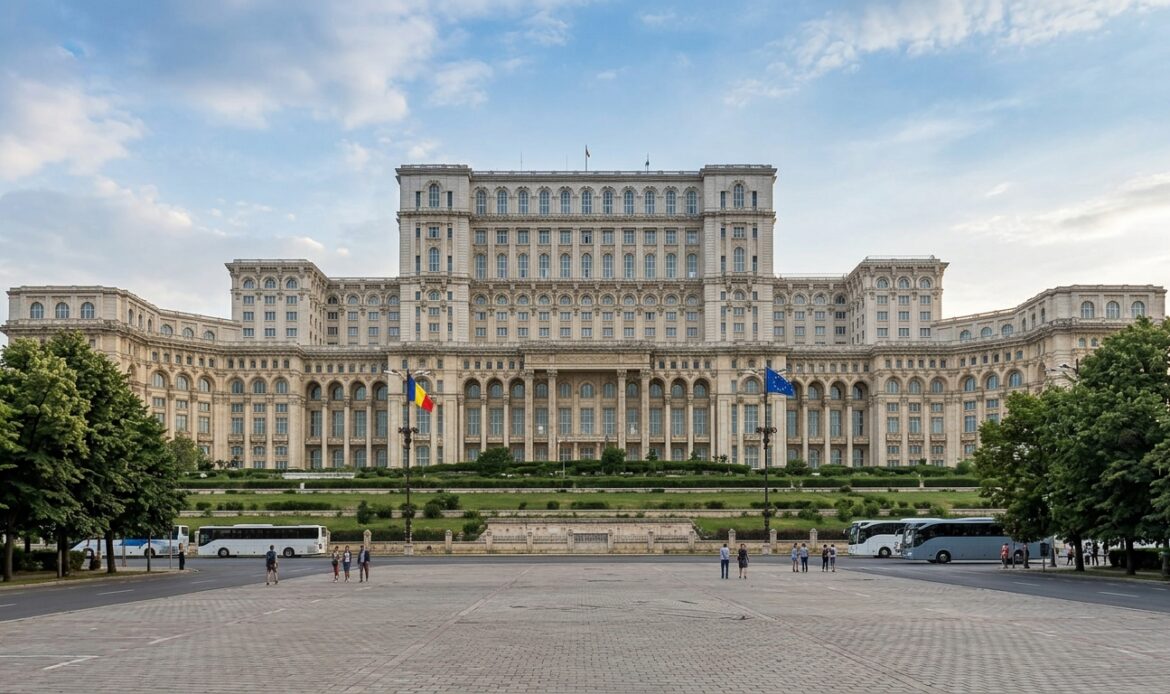
Romania and Cyprus have become the two most realistic entry points into Europe for Nepali workers. Both are EU member states. Both actively recruit foreign labour. And both offer a real shot at earning in hard currency while building a career abroad.
But they are genuinely different countries – different industries, different wages, different climates, and very different day-to-day realities. The wrong choice can cost you years of slower savings and unnecessary frustration. The right one can change your family’s financial future.
At AMC Nepal, we place Nepali workers in both countries and have seen firsthand who thrives where. This guide gives you a clear, honest comparison so you can decide for yourself.
At a Glance
| Factor | Romania | Cyprus |
| EU Member Since | 2007 | 2004 |
| Currency | Romanian Leu (RON) | Euro (EUR) |
| Climate | Four seasons, cold winters | Mediterranean, warm year-round |
| Main Jobs for Nepalis | Construction, manufacturing, shipyards, hospitality, healthcare | Hospitality, tourism, care work, agriculture, domestic work |
| Average Monthly Take-Home | €600–€1,000 | €900–€1,400 |
| English Spoken | Low to moderate | Widely spoken |
| Schengen Area | Yes (since 2024) | Not yet |
| EU Long-Term Residence | After 5 years | After 5 years |
| Family Reunification | After 12 months | After 24 months |
1. Wages and Earning Potential
Romania: The national minimum wage sits at roughly €745 gross per month (2026), but most Nepali workers in skilled or semi-skilled roles take home €700–€1,000 net. Construction workers, welders, and shipyard workers typically land at the higher end. Overtime in manufacturing and construction can add 20–40% to your monthly total – making the effective earnings considerably higher than the base figure suggests.
Cyprus: Cyprus pays more in straight monthly terms. Hotel staff, kitchen workers, and care workers earn €900–€1,400 net per month. Senior chefs, supervisors, and skilled hospitality roles go higher. Seasonal tips in tourist zones – Paphos, Limassol, Ayia Napa – can add a meaningful bonus from May through October.
Verdict: Cyprus wins on monthly salary. Romania wins on overtime potential. For workers in construction or industrial roles, Romania’s total earnings often match Cyprus.
2. Cost of Living and Actual Savings
Higher wages mean nothing if costs eat everything. This is where Romania closes the gap significantly.
Romania: One of the cheapest countries in the EU to live in. Shared accommodation runs €150–€250 per month. Groceries cost €120–€180. Public transport is cheap. Many employers in construction and manufacturing provide free or subsidised housing and meals on top of your salary – which dramatically shifts your savings rate.
A disciplined worker in Romania typically saves €400–€700 per month.
Cyprus: More expensive. Rent alone can take €300–€500 per month, and tourist-area costs are higher across the board. That said, hotel and resort employers often include staff accommodation and meals – which changes the calculation significantly for hospitality workers.
A hospitality worker with employer-provided housing in Cyprus can save €500–€800 per month. Those renting privately tend to save less than their Romanian counterparts.
Verdict: Romania is cheaper to live in. Net savings are often similar between the two countries – the deciding factor is whether your employer provides accommodation.
3. Language and Daily Life
Romania: Romanian is a Romance language, related to Italian and Spanish. Outside major cities, English is limited – though HR staff and younger Romanians in international companies usually speak it well. Most Nepali workers pick up enough Romanian for daily life within three to six months on the job.
Cyprus: Cyprus is a former British colony. English is used widely – by employers, in hospitals, at banks, in shops, and in government offices. You can live and work in Cyprus for years using only English. Greek is the official language, but it is rarely a barrier for workers in the hospitality and service sectors.
Verdict: Cyprus is significantly easier if language is a concern. For first-time migrants or those coming from urban Nepal with English skills, Cyprus removes a real source of stress.
4. Climate
Romania: Four distinct seasons. Summers are warm and pleasant. Winters are cold – regularly below freezing, with snow from December through February. Workers from the Tarai often find the first Romanian winter difficult. Those from Nepal’s hills and mountains adapt more easily.
Cyprus: Mediterranean climate year-round. Summers are hot (35°C+). Winters are mild (10–18°C). For most Nepali workers, this is the more familiar and comfortable climate.
Verdict: Cyprus is the easier adjustment for workers from warmer regions of Nepal.
5. Jobs and Industries
Your skills matter more than your preference here. The two countries recruit for very different roles.
Romania is the right choice if you are:
- A construction worker, mason, carpenter, steel fixer, or welder
- A shipyard or industrial worker (Constanța, Galați, Mangalia are major hubs)
- A factory or warehouse worker in automotive or manufacturing (Cluj, Timișoara, Pitești)
- A truck driver with a valid international licence
- A hotel or restaurant worker – Bucharest, Brașov, and the Black Sea resorts all hire
- A nurse or healthcare assistant with relevant qualifications
Browse our current Romania job openings to see what is live.
Cyprus is the right choice if you are:
- A hotel worker – front desk, housekeeping, food and beverage service
- Kitchen staff – cook, kitchen helper, dishwasher
- A care worker for elderly clients in private homes or care facilities
- A farm or greenhouse worker
- A cleaner or domestic worker
- A security guard or concierge
Browse our current Cyprus job openings to see what is live.
Verdict: Skilled construction and industrial workers belong in Romania. Hospitality, care, and service workers will find stronger demand in Cyprus.
6. Visa and Work Permit Process
Both countries require a job offer before you arrive, and the permit process begins with your employer.
Romania:
- Employer applies for a work permit through the General Inspectorate for Immigration (IGI)
- You apply for a D-type long-stay visa at the Romanian Embassy – typically via New Delhi for Nepali applicants
- Processing time: 2–4 months
- Initial permit is valid for one year, renewable
- After 5 years of legal residence: eligible for EU long-term resident status
Cyprus:
- Employer applies for approval through the Cyprus Migration Department
- You apply for an entry visa at the Cypriot Embassy – typically New Delhi for Nepali applicants
- Processing time: 2–3 months (sometimes faster for hospitality workers ahead of peak season)
- Initial permit is tied to your employer for the first four years
- After 5 years of legal residence: eligible for EU long-term resident status
Verdict: Both processes are similar in complexity. Cyprus is sometimes faster for tourism-sector workers in the lead-up to summer. Romania has recently reformed its rules to allow easier employer changes after year one.
For a full breakdown of required documents, read our Pre-Departure Guide.
7. Path to Long-Term EU Residency
Both countries offer the same legal route: five years of continuous legal residence and employment qualifies you for EU long-term resident status – the right to live and work in most other EU countries.
The practical difference is in travel freedom right now:
- Romania joined the Schengen Area in 2024 (air and sea borders, with full integration ongoing). Once your residence status is settled, you can travel freely across Schengen countries.
- Cyprus is not yet in the Schengen Area. Even with residence, you currently need separate visas to travel to mainland Europe – though Schengen membership is expected in the coming years.
Verdict: Romania currently has the edge on EU mobility. Both paths lead to the same destination long-term.
8. Nepali Community
Romania: The Nepali community has grown rapidly since 2019, with an estimated 30,000+ Nepalis now living there. Bucharest, Cluj, and Timișoara have active community groups, Nepali restaurants, and informal networks. Major Hindu and Buddhist festivals are celebrated regularly.
Cyprus: Smaller community, mostly in Limassol, Nicosia, and Paphos – but well-organised, with active cultural associations and regular Dashain, Tihar, and Buddha Jayanti celebrations.
Verdict: Romania has the larger community. Cyprus has stronger organisation within a smaller group. Neither will leave you isolated.
9. Family Reunification
If you plan to bring your spouse or children eventually, this is an important factor.
- Romania: Family reunification is possible after 12 months of legal residence. Your spouse can apply for their own work permit after arriving.
- Cyprus: Family reunification requires 24 months of legal residence for most work permit categories. Income and housing requirements are stricter, and spousal work rights are more limited in some permit categories.
Verdict: Romania is faster and more flexible for families.
Which One Is Right for You?
Choose Romania if you:
- Work in construction, welding, industrial, or shipyard roles
- Want maximum overtime and savings potential
- Plan to bring family within one to two years
- Are comfortable adapting to cold winters
- Want Schengen travel freedom
Choose Cyprus if you:
- Have a hospitality, care, or service industry background
- Prefer warm weather and an English-language work environment
- Want a quieter island lifestyle
- Are happy working with one employer for the first few years
How AMC Nepal Helps
Choosing the right destination is not just about where there is an open vacancy – it is about where you will succeed over the next five to ten years.
At AMC Nepal, our consultants assess your skills, language ability, family situation, and long-term goals before recommending a destination. We are licensed by the Department of Foreign Employment (DOFE) and work only with vetted employers in both countries.
Our service includes honest destination counselling, complete document preparation, visa support, destination-specific pre-departure orientation, and post-arrival support through partner networks in both countries.
To talk to an advisor, reach us through our contact page. To browse active openings in Romania and Cyprus, visit our countries page.
Frequently Asked Questions
Is it easier to get a visa for Romania or Cyprus from Nepal? Both processes take 2–4 months and require a confirmed job offer. Cyprus visas for hospitality roles are sometimes processed faster ahead of peak tourist season. Romanian permits for construction and industrial roles process in steady volume year-round.
Which country pays more for unskilled workers? Cyprus offers higher nominal monthly wages for hospitality and care roles. Romania offers more overtime in construction and factories. Net savings after expenses are often comparable when employer-provided accommodation is factored in.
Can I switch employers after arriving? In Romania, recent reforms allow easier employer changes after year one. In Cyprus, your permit is tied to one employer for the initial contract period, with stricter switching rules. Confirm current rules with your recruitment agency before signing anything.
Which country is better for Nepali women? Cyprus has stronger demand for women workers in hospitality, care, and domestic roles, and the English-friendly environment eases the transition for first-time migrants. Romania also hires women in healthcare, hospitality, and light manufacturing, with a growing female Nepali community in all major cities.
Do I need to speak Romanian or Greek before going? No – neither is required before arrival. In Cyprus, English alone is sufficient for daily life. In Romania, picking up basic Romanian within your first six months will noticeably improve your work and social experience.
Wage figures, visa rules, and residency requirements reflect Romanian and Cypriot policy as of 2026. Rules change – always confirm current requirements with a licensed agency or the relevant embassy before making any decision.