
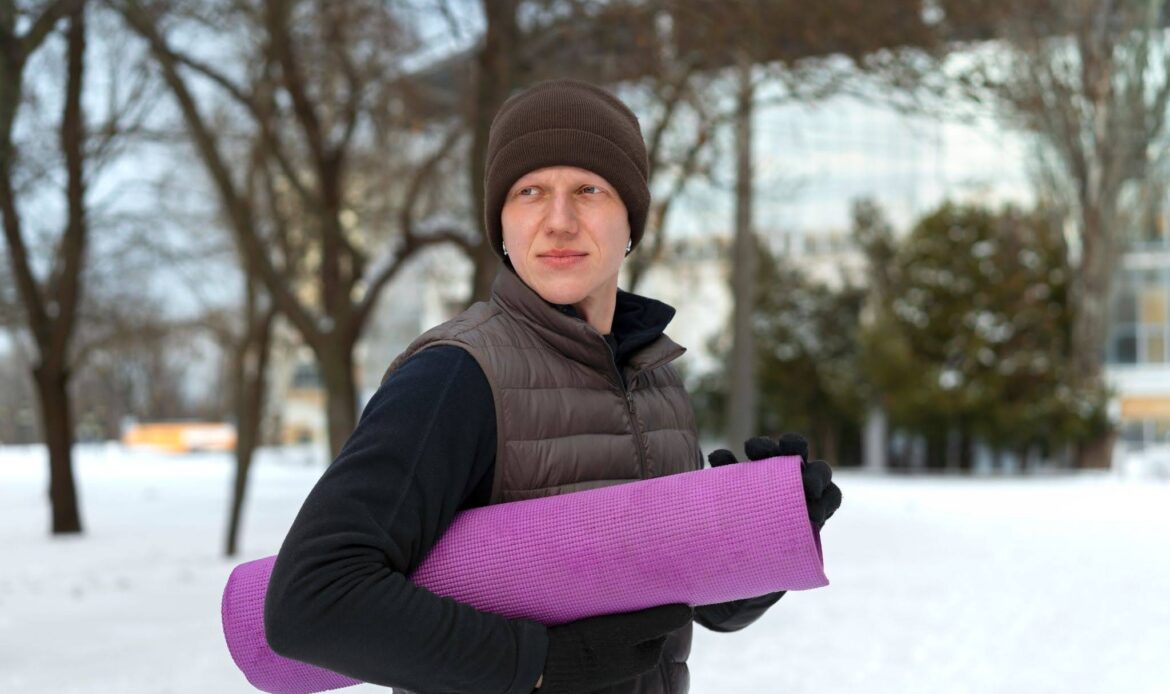
Romanian winters are nothing like Nepal. Even if you come from Mustang or high-altitude areas, the type of cold in Romania – the damp, bone-chilling wind that cuts through clothing, the months of grey skies, the slippery ice on every street – will feel completely different.
At AMC Nepal, we prepare workers heading to Romania through our partnership with EJS Europe. One of the most common complaints we hear from workers after their first Romanian winter is this: “I was not prepared for how cold it really gets.”
This guide will help you prepare properly. You will learn what Romanian winter is actually like, how to protect yourself from cold and flu, what to pack from Nepal, and what to buy once you arrive.
Your health matters. Being sick in a foreign country is miserable. A little preparation now saves a lot of suffering later.
What Romanian Winter is Actually Like
Romania sits in Eastern Europe. Winters last from late November to early March – around four months of cold weather.
Temperature and Weather Patterns
Average temperatures:
December to February: -5°C to 5°C during the day Night temperatures: -10°C to -15°C (can drop lower in mountain areas) November and March: 0°C to 10°C (transition months, still cold)
What this feels like:
If you are from Kathmandu Valley, Romanian winter feels 10-15 degrees colder than Nepal’s coldest day If you are from Terai, you have never experienced this level of cold before Even workers from Mustang or Manang report that Romanian cold feels different because of wind and dampness
Weather conditions:
Snow is common but not constant – expect snow several times per month Rain mixed with sleet is very common and more miserable than pure snow Wet, windy days feel colder than actual temperature Grey skies for weeks at a time – sunlight is rare from December to February
Why Romanian Cold Feels Worse Than Nepal
Humidity: Romanian winter is damp. The cold penetrates clothing and gets into your bones in a way dry Himalayan cold does not.
Wind: Cities like Bucharest, Cluj-Napoca, and Timișoara get strong winter winds that make the temperature feel 5-10 degrees colder.
Indoor heating vs outdoor cold: You go from warm indoor spaces to freezing outdoor streets constantly. This temperature shock weakens your immune system.
Less sunlight: Short days and grey skies affect mood and energy. Many workers experience low energy and sadness during Romanian winter.
Common Health Problems Nepali Workers Face in Romanian Winter
Understanding what can go wrong helps you prevent it.
Cold and Flu
Why it happens:
Temperature changes when going in and out of buildings Close contact with other workers in shared accommodation Weakened immune system from stress and new environment Dry indoor heating dries out nasal passages, making infection easier
Symptoms to watch for:
Runny nose, sore throat, cough Fever, body aches, extreme tiredness Chest congestion, difficulty breathing
What to do:
Rest as much as possible – your body heals when you sleep Drink warm fluids constantly – hot water, tea, soup Stay home from work if you have fever – Romanian employers expect this If symptoms last more than 5 days or you have trouble breathing, see a doctor
Dry Skin and Chapped Lips
Why it happens: Indoor heating removes moisture from the air. Your skin dries out quickly.
What to do:
Use thick moisturizer on hands and face every day Carry lip balm everywhere and apply frequently Drink more water than you think you need
Slips and Falls on Ice
Why it happens: Ice forms on sidewalks and streets. Walking becomes dangerous.
What to do:
Buy proper winter boots with good grip (see packing section below) Walk slowly and carefully – rushing causes falls Watch for black ice (invisible ice on roads) in early morning If you fall and hit your head or injure yourself seriously, go to emergency room immediately
Seasonal Depression (Seasonal Affective Disorder)
Why it happens: Lack of sunlight and grey skies for months affect brain chemistry. Many people feel sad, tired, and unmotivated during winter.
Symptoms:
Constant tiredness even after sleeping Loss of interest in activities you normally enjoy Feeling sad or hopeless for no clear reason Sleeping too much or difficulty sleeping
What to do:
Spend time outdoors during daylight hours – even grey daylight helps Stay connected with other Nepali workers – social contact fights depression Exercise if possible – even walking helps mood If symptoms are severe, talk to a doctor – treatment is available and effective
Vitamin D Deficiency
Why it happens: Less sunlight means your body produces less Vitamin D. This affects bones, mood, and immune system.
What to do:
Take Vitamin D supplements – available at any Romanian pharmacy Eat foods with Vitamin D – eggs, fish, milk Ask your doctor if you need a blood test to check Vitamin D levels
What to Pack from Nepal Before You Leave
Packing the right items from Nepal saves money and makes your first Romanian winter much easier.
Winter Clothing to Bring from Nepal
Essential items:
Thermal underwear (top and bottom) – 2-3 sets minimum Thick wool socks – bring at least 5 pairs Warm sweaters or fleece jackets – 2-3 pieces Gloves – bring one pair from Nepal, buy better ones in Romania Scarf or neck warmer – very important for protecting throat Warm hat that covers ears
Optional but helpful:
Down jacket if you already own one (can also buy in Romania) Woolen shawl (Nepali dhaka or pashmina works well)
What NOT to bring:
Do not bring heavy winter coats from Nepal – Romanian winter coats are better quality and not expensive Do not bring too many winter items – you will buy most winter gear in Romania
Medicine and Health Items to Bring
Basic medicine kit:
Paracetamol (for fever and pain) – 2-3 packs Cough syrup – 1 bottle Antiseptic cream – 1 tube Band-aids and basic first aid supplies Any prescription medicine you take regularly (bring 3 months supply)
Personal care items:
Moisturizer for face and hands Lip balm (bring several) Toothbrush and toothpaste (for first few days)
Important: Do not bring large quantities of medicine. Romanian pharmacies are excellent and well-stocked. You can buy almost everything you need there.
Other Useful Items from Nepal
Hot water bottle (if you use one) – Romania has these too but bringing one from home is comforting Small packets of Nepali tea or spices if they help you feel better when sick Photos of family to keep in your room – helps with homesickness during long winter
What to Buy in Romania After You Arrive
Some winter items are better purchased in Romania because they are designed for Romanian winter conditions.
Winter Coat
Why buy in Romania: Romanian winter coats are made for Romanian weather. They are waterproof, windproof, and properly insulated.
Where to buy: Decathlon (sports store with affordable prices), H&M, C&A, or local clothing stores
How much: €30-€80 for a good winter coat
What to look for:
Waterproof outer layer (keeps you dry in rain and snow) Insulated lining (keeps you warm) Hood (protects head from wind and snow) Long enough to cover hips (short jackets let cold air in)
Winter Boots
Why buy in Romania: Romanian boots have proper winter grip for icy streets.
Where to buy: Decathlon, shoe stores in any shopping mall
How much: €30-€60 for good winter boots
What to look for:
Thick, grippy sole (prevents slipping on ice) Waterproof material (keeps feet dry in snow and slush) Insulated lining (keeps feet warm) High enough to keep snow out (ankle height minimum)
Additional Winter Gear
Warm gloves – €5-€15 (thicker than what you brought from Nepal) Extra thick socks – €3-€10 per pair Umbrella – €10-€20 (for rain and sleet) Moisturizer and lip balm – €5-€15
How to Stay Healthy: Daily Habits That Work
Small daily actions make a big difference over a four-month winter.
Dress in Layers
The layer system:
Base layer: thermal underwear against your skin Middle layer: sweater or fleece for insulation Outer layer: waterproof winter coat
Why this works: You can remove or add layers as you move between heated indoor spaces and cold outdoors.
Common mistake: Wearing only one very thick layer. This makes you sweat indoors and freeze outdoors.
Protect Your Extremities
Hands, feet, and head lose heat fastest.
Always wear gloves outside – even for short walks Wear a hat that covers your ears – most body heat escapes from your head Keep your feet dry – wet socks make you cold instantly
Stay Warm at Home
If your accommodation is cold:
Ask your employer to check the heating – proper heating is your legal right Wear layers indoors if needed Use a hot water bottle in bed Keep your bedroom door closed to trap heat
If heating is not working properly: Contact your employer immediately. Also contact AMC Nepal if your employer does not fix the problem. Adequate heating is required by Romanian labour law.
Boost Your Immune System
Simple habits that prevent illness:
Sleep 7-8 hours every night – your body repairs itself during sleep Eat warm, nutritious food – soup, cooked vegetables, rice, lentils Drink warm water or tea throughout the day Wash your hands frequently, especially before eating Avoid touching your face with unwashed hands
Stay Active
Why movement matters: Exercise keeps your body warm and strengthens immunity.
What you can do:
Walk during daylight hours when possible Do simple exercises in your room (stretching, bodyweight exercises) Join a gym if your accommodation has one or if it is affordable nearby
When to See a Doctor in Romania
Many Nepali workers avoid doctors because they are scared or do not know how the system works. Do not wait too long – early treatment prevents serious problems.
Go to a Doctor If:
Fever lasts more than 3 days Cough produces yellow or green mucus Difficulty breathing or chest pain Severe sore throat that makes swallowing very difficult Symptoms get worse instead of better after 5 days
How to Access Healthcare in Romania
All legal workers have health insurance: Your employer pays into the Romanian health system (CNAS). This gives you access to doctors and hospitals.
For minor illness:
Find a local clinic (policlinica) near your accommodation Bring your residence permit and health insurance card Many clinics have doctors who speak basic English Consultation is free or very low cost
For emergencies:
Call 112 (emergency number in Romania) Go to nearest hospital emergency room (urgente) Emergency care is free for all workers with legal residence permits
Getting medicine: Romanian pharmacies (farmacie) are everywhere and well-stocked. Many medicines that require prescriptions in other countries are available over-the-counter in Romania.
Common Romanian Pharmacy Items
These items are useful to know about:
Paracetamol (Panadol) – for fever and pain Ibuprofen (Nurofen) – for pain and inflammation Cough syrup (Bronhostenil, Mucosolvan) – for coughs Vitamin C tablets – for immune support Nasal spray (for blocked nose) Throat lozenges (for sore throat)
Pharmacists in Romania are helpful. You can describe your symptoms and they will recommend appropriate medicine.
Food and Nutrition During Romanian Winter
What you eat affects how well your body handles the cold.
Warm, Nutritious Romanian Foods to Try
Soups (ciorba): Romanians eat soup almost daily in winter. Very warming and nutritious.
Sarmale: Cabbage rolls with meat and rice – heavy, filling winter food.
Polenta (mamaliga): Similar to Nepali dhido, served with cheese or meat.
Root vegetables: Potatoes, carrots, beets – cheap, filling, and available everywhere.
Cooking Your Own Food
If your accommodation has a kitchen, cooking Nepali food helps you feel better when sick or homesick.
What you can find in Romanian stores:
Rice – easily available Lentils (dal) – available in larger supermarkets Onions, garlic, ginger – common ingredients Chicken, eggs, vegetables – available everywhere Some spices (check Asian shops in larger cities)
Missing ingredients: You will not find all Nepali spices easily. Bring small quantities of your essential spices from Nepal or ask family to send them.
Warm Drinks to Keep You Healthy
Hot tea with honey and lemon – Romanian classic for colds Ginger tea – make it yourself if you find fresh ginger Hot milk before bed – helps you sleep and keeps you warm Soup broth – any type, very healing when sick
Connecting with Other Nepali Workers During Winter
Winter isolation makes everything harder. Stay connected to avoid loneliness and depression.
Find the Nepali Community
Facebook groups: Search for “Nepali in Romania,” “Nepali in Bucharest,” or “Nepali Workers Romania”
Cultural events: Nepali communities often organize Dashain, Tihar, and other celebrations even in winter
Religious gatherings: Some cities have Hindu or Buddhist groups that meet regularly
Ask AMC Nepal: We can connect you with other workers we have prepared who are in your area
Why Community Matters in Winter
Other Nepali workers understand what you are going through They can share practical tips about where to shop, how to stay warm, what to eat Social connection fights winter depression You can help each other if someone gets sick
Winter Safety Checklist
Use this checklist to prepare for and survive Romanian winter:
| Winter Safety Item |
| Have proper winter coat (waterproof, insulated) |
| Have winter boots with good grip |
| Have warm gloves, hat, and scarf |
| Know where nearest clinic/hospital is |
| Have basic medicine kit at home |
| Know how to call emergency (112) |
| Have health insurance card accessible |
| Connected with Nepali community in area |
| Know Romanian pharmacy near accommodation |
| Have AMC Nepal contact saved for emergencies |
Frequently Asked Questions About Romanian Winter
How cold does it really get in Romania?
Winter temperatures range from -5°C to 5°C during the day, and -10°C to -15°C at night. It feels colder than the number suggests because of wind and dampness.
Will my employer provide winter clothing?
No. Employers provide work-related safety equipment, but personal winter clothing is your responsibility. Budget €100-€150 for winter gear when you first arrive.
What if I get very sick and cannot work?
You have the right to sick leave in Romania. Visit a doctor, get a medical certificate, and inform your employer. You will receive partial pay during sick leave as required by Romanian labour law.
Can I buy Nepali medicine in Romania?
No, but Romanian pharmacies are excellent and have effective alternatives for almost everything. Pharmacists can help you find the right medicine even if you do not speak Romanian fluently.
How do I prevent getting depressed during winter?
Spend time outdoors during daylight, stay connected with other Nepali workers, exercise if possible, and eat nutritious food. If you feel severely depressed, talk to a doctor – help is available.
What if my accommodation heating is not working properly?
This is a serious issue. Contact your employer immediately. If they do not fix it, contact AMC Nepal for support. Adequate heating is required by Romanian labour law.
How AMC Nepal Prepares You for Romanian Winter
At AMC Nepal, we do not just process documents – we prepare you for real life in Romania.
Our Pre-Departure Orientation Covers
What Romanian winter is actually like and how to prepare What to pack from Nepal and what to buy in Romania How to access healthcare and use Romanian pharmacies How to stay healthy and avoid common winter illnesses Cultural tips about Romanian winter habits
Our pre-departure orientation ensures you arrive in Romania knowing exactly what to expect and how to handle it.
Ongoing Support During Winter
AMC Nepal remains available even after you depart Nepal:
Phone: +977 971 202 3455 Email: info@amcnepal.com Office: KG Tower, Lazimpat, Kathmandu, Nepal
If you face serious problems during winter – health emergencies, accommodation issues, or other concerns – we coordinate with EJS Europe to provide support.
Our Partner Network
EJS Europe – Romania-based recruitment company that supports workers throughout their employment
Conachi Academy – For those interested in studying in Romania
Final Thoughts
Romanian winter is harsh, but thousands of Nepali workers survive and even thrive through it every year. The key is preparation – knowing what to expect, packing the right items, buying proper winter gear after arrival, and taking care of your health daily.
Winter lasts four months. It will feel long, especially the first year. But it ends. Spring in Romania is beautiful, and by your second winter, you will know exactly how to handle it.
Prepare properly. Stay warm. Stay healthy. Stay connected.
AMC Nepal is here to help you succeed – through winter and beyond.