
A visa gets you into Europe. It does not teach you how to cook a meal after a twelve hour shift, how to argue politely with a landlord, or how to manage money when your paycheck arrives in a currency you are still learning to think in.
Those are life skills, and they matter just as much as any document in your file.
Many Nepali citizens focus almost all of their energy on paperwork before departure. This makes sense, since paperwork is what gets you on the plane.
But once you land, paperwork stops mattering day to day. What matters is whether you can function independently, solve small problems without panic, and build a stable routine in an unfamiliar place.
This guide walks through the life skills that make the biggest difference during your first year abroad. None of them require special talent. All of them can be practiced before you leave and strengthened after you arrive.
Why Life Skills Matter More Than Most People Expect
Every year, thousands of workers and students leave Nepal fully prepared on paper and still struggle badly in their first few months abroad. The paperwork was never the problem. The gap was always in daily life skills.
- Strong life skills reduce homesickness, since you feel capable instead of helpless in small daily situations.
- They protect your income, since poor budgeting and poor communication both lead to costly mistakes.
- They speed up your integration, since confidence in daily tasks frees up mental energy for learning the language and adjusting to the culture.
- They protect your health, since knowing how to cook simply and manage stress prevents the physical toll that catches many new arrivals off guard.
Life skills are rarely taught directly. Most people learn them the hard way, through mistakes made in an unfamiliar country with no family nearby to help. This guide is designed to shorten that learning curve.
Financial Literacy and Budgeting
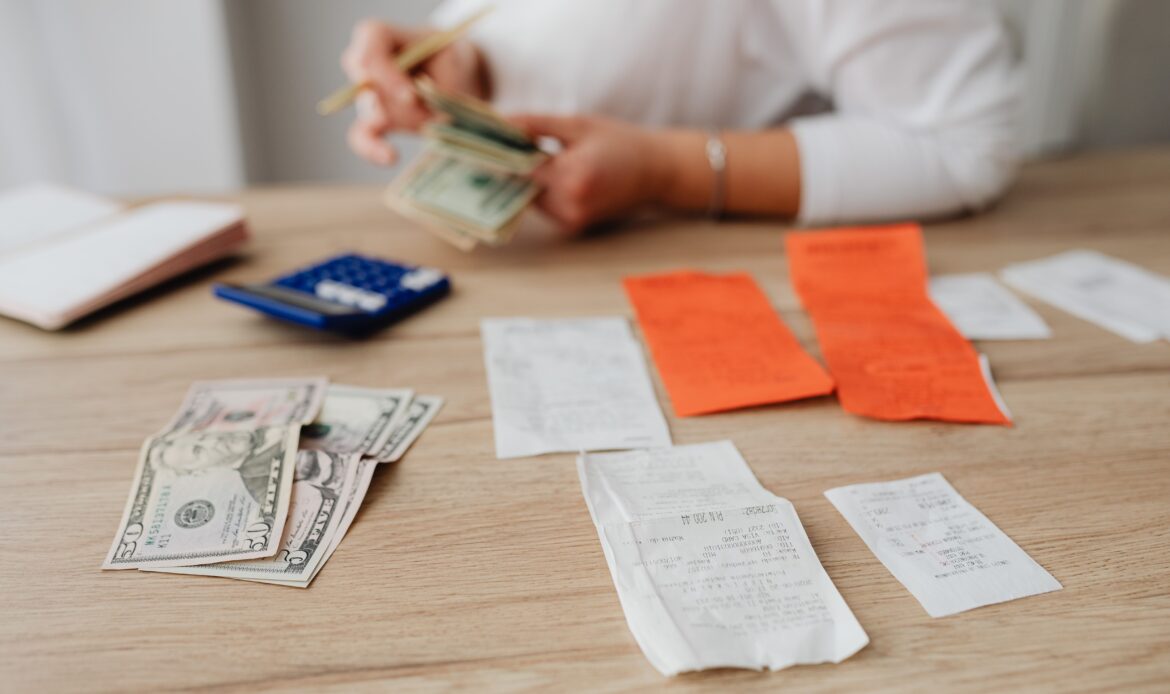
Money management is the single most practical skill you can build before leaving Nepal. Salaries in Europe look large on paper, but poor budgeting can erase that advantage within a few months.
- Learn to build a simple monthly budget that separates rent, food, transport, savings, and remittances into clear categories.
- Understand the exchange rate between your local currency and Nepali rupees, so you always know the real value of what you are spending.
- Track your spending weekly rather than monthly during your first few months, since small purchases add up faster than expected in a new environment.
- Build a small emergency fund before you commit to a large remittance schedule, so unexpected costs do not derail your plans.
- Learn the basics of local banking, including how transfers, debit cards, and online banking apps work, since these systems often differ from what you are used to at home.
Workers who build this habit early consistently report less financial stress and more consistent savings than those who wait to figure it out after arrival.
Communication and Language Skills
Language ability shapes almost every other part of your life abroad, from workplace relationships to simple daily errands.
- Practice basic greetings, numbers, and workplace phrases before you leave, since even small effort creates a strong first impression.
- Learn to ask clarifying questions politely, since misunderstandings at work are far more common than most people expect.
- Build listening skills through simple daily practice, since understanding spoken language usually develops faster than speaking it.
- Use structured language training rather than relying only on casual apps, since a guided course builds a stronger foundation faster. Our Romanian language training program is built specifically for this transition.
Communication confidence also extends beyond language. Learning to speak up when something feels unfair, or to ask for clarification without embarrassment, protects you from being taken advantage of in unfamiliar situations.
Cooking and Basic Self-Sufficiency
Many workers arrive abroad having never cooked a full meal for themselves. This becomes a serious problem quickly, since restaurant food is expensive and unfamiliar cuisine does not always sit well with an adjusting stomach.
- Learn to cook a small rotation of simple, familiar meals before you leave Nepal.
- Practice basic kitchen safety, including how to use unfamiliar stoves, ovens, and appliances.
- Learn to read food labels for ingredients you may want to avoid, whether for dietary, religious, or health reasons.
- Practice basic grocery shopping on a budget, since food costs can spiral quickly without a plan.
This single skill has an outsized effect on both physical health and mental wellbeing during the adjustment period.
Time Management and Workplace Discipline
European workplaces often run on stricter time expectations than many new arrivals anticipate.
- Practice arriving early rather than exactly on time, since punctuality is judged strictly in most workplaces.
- Learn to plan your week in advance, balancing work shifts, rest, errands, and any language study.
- Build the habit of following through on small commitments consistently, since reliability is one of the fastest ways to earn trust with a new employer.
- Learn basic prioritization, so urgent tasks do not get lost among less important ones during a busy week.
Workers who build strong time management habits early tend to receive more responsibility and trust from supervisors within their first year.
Digital and Administrative Skills
Daily life abroad depends heavily on digital tools and official paperwork that many new arrivals have never had to manage independently.
- Learn to use online banking apps, since most financial tasks abroad happen digitally rather than in person.
- Practice using maps and navigation apps confidently, since getting lost repeatedly during your first weeks adds unnecessary stress.
- Understand how to organize personal documents digitally, including scans of your passport, contract, and residency paperwork.
- Learn basic email etiquette for professional communication, since many workplace and government processes run through email.
These skills feel small individually, but together they determine how independently you can function without constantly asking others for help.
Emotional Resilience and Managing Homesickness
Homesickness affects nearly everyone who moves abroad, regardless of how prepared they feel on paper.
- Expect an adjustment period and treat it as normal rather than a sign that something is wrong.
- Build a simple weekly routine for contacting family, since consistency reduces anxiety more than long, irregular calls.
- Find small sources of comfort, whether familiar food, music, or a community of other Nepali workers nearby.
- Recognize the difference between normal homesickness and prolonged distress, and seek support if sadness begins interfering with daily functioning.
Emotional resilience is not about suppressing homesickness. It is about building habits that make the adjustment period shorter and more manageable.
Social and Cultural Adaptability
Every country has unwritten social rules that are rarely explained directly but are quickly noticed when broken.
- Observe how locals greet each other, queue in public spaces, and handle basic social interactions before assuming your habits from home will transfer directly.
- Ask questions when unsure rather than guessing, since most people respond well to genuine curiosity from newcomers.
- Build relationships gradually with both locals and other international workers, since both types of connections offer different kinds of support.
- Stay open to small cultural differences in food, humor, and daily habits, since resistance to these differences usually slows down adjustment.
Cultural adaptability is a skill that improves with practice, not something people either have or lack permanently.
Problem Solving and Independence
Abroad, you will not always have someone to call when something goes wrong. Building independent problem solving skills before you leave reduces panic when issues arise.
- Practice researching solutions independently before assuming you need outside help.
- Learn basic troubleshooting for common issues, from a delayed bank transfer to a landlord dispute.
- Build confidence in advocating for yourself in writing, since many disputes abroad are resolved through calm, clear written communication.
- Accept that some problems take time to resolve, and build patience alongside your problem solving skills.
Workers who develop this mindset early tend to handle unexpected setbacks with far less stress than those who feel dependent on others for every decision.
Health, Safety, and Basic Self-Care
Physical health often takes a back seat during the excitement and stress of moving abroad, but neglecting it creates larger problems later.
- Learn basic first aid and understand how to access healthcare in an emergency.
- Build simple habits around sleep, diet, and exercise, since these routines are easy to lose during a major life transition.
- Understand your rights and protections as a legal worker, since this knowledge prevents exploitation and unnecessary stress.
- Save local emergency numbers immediately upon arrival, rather than assuming you will look them up later if needed.
Consistent self-care in the first few months abroad has a direct effect on how well you handle every other challenge on this list.
Building These Skills Before You Leave
You do not need to master every skill perfectly before departure. You need a realistic starting point and a plan to keep improving after you arrive.
- Practice one or two new skills each week in the months before departure, rather than trying to change everything at once.
- Treat structured preparation programs as a shortcut, not a shortcut around effort but a shortcut around costly trial and error. A guided pre-departure orientation covers many of these skills directly, alongside the practical realities of daily life in your destination country.
- Pair life skills preparation with career preparation, since professional habits and personal life skills reinforce each other constantly once you are working abroad.
Frequently Asked Questions
Which life skill matters most for someone moving abroad for the first time? Financial literacy and budgeting tend to matter most immediately, since money stress affects every other part of daily life. Language ability follows closely behind, since it shapes how quickly you build workplace trust and social connections.
Can life skills really be learned before departure, or only after arriving? Both. Skills like budgeting, basic cooking, and language basics can be practiced meaningfully in Nepal before you leave. Other skills, like cultural adaptability, develop faster once you are actually living in the new environment.
How long does it typically take to feel confident with these skills abroad? Most people report feeling noticeably more confident within three to six months, especially if they practiced key skills before departure. Confidence tends to build gradually rather than arriving all at once.
Final Thoughts and Next Step
Documents get you to Europe. Life skills determine whether your first year feels manageable or overwhelming.
Financial discipline, communication confidence, basic self-sufficiency, and emotional resilience matter just as much as any visa stamp.
Building these skills does not require perfection before you leave. It requires a realistic plan and a willingness to keep learning after you arrive.
If you want structured guidance on preparing both your paperwork and your daily life skills together, book a free consultation with AMC Nepal and start building a plan tailored to your destination and your goals.