
One of the most common points of confusion for Nepali citizens planning a move to Romania is the difference between a short-stay visa and a long-stay visa.
The two terms get used interchangeably in casual conversation, but they represent genuinely different legal categories, with different requirements, different application processes, and very different implications for how long – and for what purpose – you are actually allowed to stay in the country.
Getting this distinction right matters, because applying for the wrong visa type can result in delays, rejection, or arriving in Romania without the legal status you actually need for your purpose – whether that is work, study, business, or tourism.
This guide breaks down exactly what separates these two visa categories and helps you understand which one applies to your specific situation.
Why This Distinction Matters
Visa categories exist because different purposes of travel require different levels of scrutiny, documentation, and legal permission.
A short holiday and a multi-year work or study placement are fundamentally different undertakings from an immigration perspective, and Romania – like most EU countries – structures its visa system accordingly.
Understanding which category applies to you before you start your application process saves significant time and helps you gather the correct documentation from the beginning, rather than discovering partway through that you have been preparing for the wrong type of visa entirely.
What Is a Short-Stay (Schengen/Type C) Visa?
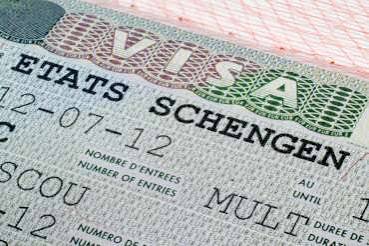
A short-stay visa, often referred to as a Schengen visa or Type C visa, is designed for visits of up to 90 days within any 180-day period.
Since Romania is now a full member of the Schengen area, a Romanian short-stay visa generally functions similarly to a standard Schengen visa, permitting short-term travel for specific, limited purposes.
Common purposes for a short-stay visa include: tourism, visiting family or friends, short business trips, attending conferences or events, and other visits where you do not intend to work, study long-term, or establish residence in Romania.
Key characteristics: short-stay visas do not permit employment in Romania, do not lead to a residence permit, and are strictly time-limited to the 90-day maximum within the relevant 180-day window.
Our Schengen Visa page covers this category in more detail, including the specific requirements and application process for short-term travel to Romania and the wider Schengen area.
What Is a Long-Stay (Type D) Visa?
A long-stay visa, known as a Type D visa, is designed for people planning to stay in Romania for longer than 90 days for a specific, approved purpose – most commonly employment, university study, family reunification, or long-term business activity.
Common purposes for a long-stay visa include: taking up legal employment with a Romanian employer, enrolling in a Romanian university degree programme, joining a family member already legally residing in Romania, or establishing a long-term business presence in the country.
Key characteristics: long-stay visas are typically the first step toward obtaining a residence permit, which allows you to remain in Romania beyond the visa’s initial validity for the full duration of your approved purpose – a multi-year degree programme or an ongoing employment contract, for example.
Our Long-Stay Visa page explains this category in depth, including the general process for converting your long-stay visa into an ongoing residence permit once you arrive in Romania.
Key Differences at a Glance
Duration: Short-stay visas are capped at 90 days within a 180-day period. Long-stay visas are issued for longer, purpose-specific durations and generally lead to a residence permit for continued stay.
Purpose: Short-stay visas cover tourism, family visits, and short business trips. Long-stay visas cover employment, study, family reunification, and extended business activity.
Right to work: Short-stay visas do not permit employment in Romania under any circumstances. Long-stay visas issued for work purposes specifically authorize employment with your approved employer.
Documentation required: Short-stay applications generally require proof of the purpose of your trip, financial means, accommodation, and travel insurance.
Long-stay applications require more extensive documentation – an employment contract or university acceptance letter, proof of accommodation, financial means for a longer period, health insurance, and often a criminal record certificate and medical certificate.
Path to residence: Short-stay visas do not lead to Romanian residence. Long-stay visas are specifically structured as the entry point toward obtaining a Romanian residence permit.
Which Visa Do You Need for Work?
If your goal is to take up legal employment in Romania, you need a long-stay (Type D) work visa, not a short-stay visa.
Attempting to enter Romania on a short-stay visa with the intention of working is both a misuse of that visa category and a serious legal risk – short-stay visas explicitly do not authorize employment, regardless of how briefly you intend to work.
The correct process involves securing a valid job offer from a verified Romanian employer, obtaining the appropriate work authorization, and then applying for your long-stay work visa based on that employment relationship. Our Work Visa Romania page walks through exactly what this process involves for Nepali citizens specifically.
Which Visa Do You Need for Study?
Similarly, if you are planning to study at a Romanian university for a full degree programme, you need a long-stay (Type D) student visa, based on your letter of acceptance from an accredited Romanian institution.
This visa category is specifically designed for the multi-year duration of most degree programmes and is the correct pathway toward the student residence permit you will need to remain legally enrolled and residing in Romania throughout your studies.
Our Student Visa Romania page covers the specific requirements for this pathway, including how it connects to the university application process through our partner, Conachi Academy.
What About Business Travel?
Business travel occupies a slightly more nuanced position, since the correct visa category genuinely depends on the specific nature and duration of your business activity in Romania.
Short-term business visits – attending meetings, conferences, or exploring a potential business relationship without establishing an ongoing presence – generally fall under the short-stay visa category, provided the total time in Romania (and the wider Schengen area) stays within the 90/180-day limit.
Longer-term or ongoing business activity – such as establishing a company, taking an active management role in a Romanian business, or engaging in business activity that extends well beyond a short visit – typically requires a long-stay visa instead.
Our Business Visa page explains this distinction in more detail and can help you determine which category applies to your specific business travel plans.
Can a Short-Stay Visa Be Converted to a Long-Stay Visa?
This is a common question, and the honest answer is that it is generally not a simple or reliable process. Short-stay and long-stay visas are fundamentally different legal categories with different application requirements, and arriving in Romania on a short-stay visa with the hope of “converting” it into a long-stay visa or work authorization once you are already in the country is not a dependable strategy, and in many cases is not possible at all.
The far more reliable approach is to correctly identify your actual purpose before you apply – work, study, or a genuine short visit – and apply for the correct visa category from the outset, rather than assuming you can adjust your legal status after arrival.
Common Mistakes People Make Choosing the Wrong Visa Type
Understanding where others commonly go wrong can help you avoid the same issues in your own application.
Applying for a short-stay visa while planning to work informally: This is both a misuse of the visa category and a significant legal risk, since short-stay visas explicitly prohibit employment.
Underestimating how long a long-stay visa application actually takes: Long-stay visas generally require more extensive documentation and processing time than short-stay visas, and applicants who leave this process too close to their intended departure date often face avoidable delays.
Assuming a job offer will follow after arrival: Arriving on a short-stay or tourist basis with the intention of finding work afterward is not a legally sound strategy in Romania, and can jeopardize your ability to obtain proper work authorization later.
Confusing Schengen travel rights with long-term residence rights: Some travellers assume that because Romania is part of the Schengen area, this automatically grants broader rights to stay or work long-term. Schengen membership affects short-stay travel specifically – it does not change the separate requirements for long-stay residence, employment, or study.
How to Determine Which Visa Is Right for You
The right visa category depends entirely on your actual purpose and intended duration of stay – not on which process seems faster or simpler on the surface.
Being honest with yourself, and with the consulate, about your genuine plans is essential, both for a smooth application process and for staying on the right side of Romanian immigration law throughout your time in the country.
Because visa categories and specific requirements can be genuinely difficult to navigate correctly without guidance, this is exactly the kind of decision that benefits from personalised support rather than general assumptions.
Our Visa Guidance team works directly with applicants to confirm which visa category actually fits their situation, and to prepare a complete, correctly targeted application from the very beginning.
Getting the Right Guidance Before You Apply
Choosing between a short-stay and long-stay visa is not simply a matter of preference – it is determined by your actual purpose in Romania, and getting it wrong can create genuine legal and practical complications.
Taking the time to understand this distinction clearly, before you begin your application, is one of the most valuable steps you can take in your preparation process.
If you want to hear how others have navigated this process successfully, our testimonials page shares real accounts from Nepali citizens – including Rajesh Thapa, Bikash Rai, Anita Shrestha, and Sita Karki – who prepared correctly with AMC Nepal for both work and study pathways in Romania.
Our FAQ page also answers several other common visa-related questions applicants frequently have.
If you are still unsure which visa category applies to your specific plans, get in touch with our team for a free consultation – we will help you identify the correct pathway and prepare your application properly from the very start.