
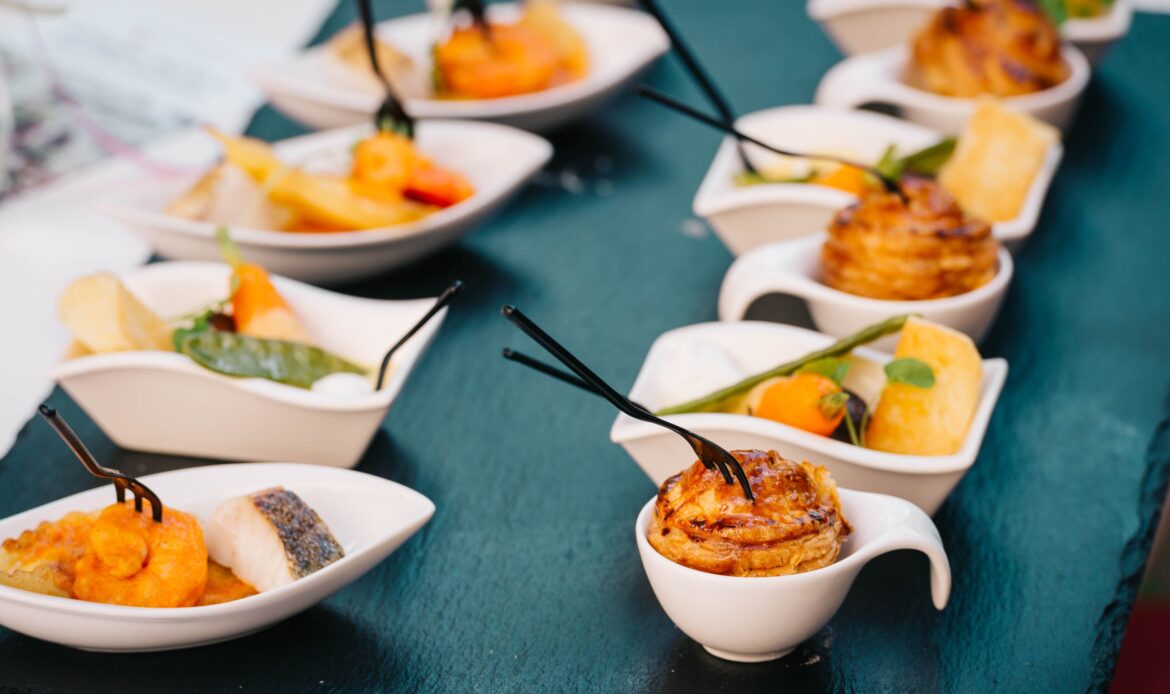
Nobody expects food to be one of the hardest parts of moving to Romania.
The visa stress, the homesickness, the language barrier – these feel like the big challenges before you go. Food feels like a detail. You will figure it out when you get there.
And then you get there. And on day four, sitting in a factory canteen eating a plate of tochitura – Romanian pork stew with polenta – for the third consecutive day, something shifts. It is not that the food is bad. It is that it is not yours. And in that moment, you understand that food was never just fuel. It was comfort, identity, and home – and you left all of that on the other side of a nine-hour flight.
Every Nepali worker who has spent a year or more in Romania has a food story. How their habits changed. What they discovered. What they recreated. What they gave up and what they refused to. These stories are more revealing about the experience of living abroad than almost anything else – because food is where cultural adjustment becomes most personal and most daily.
This guide covers how Nepali food habits actually change after moving to Europe – honestly, specifically, and with the practical information that helps you prepare for the transition before it surprises you.
The First Week: Disorientation
The first week in Romania is too busy and too overwhelming for food to register fully. You are navigating the dormitory, learning the bus route, figuring out the workplace, managing documents, and calling home to say you arrived safely. You eat what is available – the factory canteen, the nearest bakery, whatever your Romanian colleagues seem to be having.
Romanian food in this first week is not bad. It is just completely unfamiliar. Ciorbă – sour soups – appear at lunch. Sarmale – cabbage rolls stuffed with minced meat and rice – arrive on trays. Bread comes with everything. Pork features heavily. Dairy products are different in texture and taste from what you know.
None of this is unpleasant. But none of it is what your body is expecting. And your body – having eaten dal bhat, sel roti, achaar, and gundruk for twenty or thirty years – notices the difference more than your conscious mind does.
Most workers describe the first week as fine. It is the second and third weeks – when the novelty has worn off and the daily reality of a different food environment settles in – that the food adjustment begins in earnest.
The First Month: The Search for Familiar
By the second and third week, most Nepali workers in Romania have started one of the most common first-month activities – the search for familiar ingredients.
This search follows a predictable pattern. First, the supermarket. Kaufland, Lidl, and Carrefour are the main chains across Romanian cities – and they stock more than you expect. Rice is widely available and affordable. Eggs, onion, garlic, ginger, and tomato are standard Romanian supermarket staples. Lentils – in varying varieties – can be found in larger stores. Turmeric, cumin, and coriander are available in most major supermarkets, though sometimes in smaller quantities than you would buy in Nepal.
With these basics, a simplified dal bhat becomes possible within the first two weeks. It will not taste exactly like home. The rice variety is different. The dal is not the right colour. The spices are correct but the proportions feel wrong until you adjust them by experiment. But it is recognisably Nepali in a way that the canteen lunch is not – and the psychological effect of eating something that tastes like home, even approximately, is disproportionate to how simple the dish is.
The second discovery – made by most Nepali workers within their first month – is the Asian grocery store. In Bucharest, Cluj-Napoca, and Timișoara, Asian grocery stores stock a much wider range of South Asian ingredients. Specific rice varieties, particular lentil types, chilli paste, specific spice blends, coconut milk, and in some stores – frozen South Asian food products that taste remarkably close to what you know. Finding the Asian grocery store in your city is one of the first major victories of the food adjustment period.
Month Two to Six: The Hybrid Kitchen
By month two or three, most Nepali workers in Romania have developed what could be called a hybrid kitchen – a cooking practice that combines familiar Nepali ingredients and techniques with Romanian produce and practical adaptation.
The dal bhat is there – simplified, slightly different, but recognisably dal bhat. But alongside it, new habits emerge.
Romanian bread becomes part of the daily routine. It is good – dense, flavourful, and widely available from bakeries that open before factory shifts begin. Workers who initially avoided it because it was unfamiliar find themselves buying a loaf every few days within the first two months.
Romanian dairy products – particularly smântână, a thick soured cream – find their way into cooking experiments. Mixed with spices, it approximates the richness of yogurt-based Nepali sauces in ways that surprise workers who tried it out of necessity and kept using it by choice.
Romanian vegetables – cabbage, potatoes, carrots, beetroot, and seasonal produce from local markets – become the affordable, available base for adapted Nepali cooking. A potato and egg curry made with Romanian potatoes and a spice combination assembled from supermarket options tastes different from what you made in Nepal. It also tastes like something you developed here – which is its own kind of belonging.
The Canteen Relationship
The factory or hotel canteen is a significant part of a Romanian worker’s food life – and the relationship Nepali workers develop with it evolves in interesting ways over a contract.
In the first weeks, the canteen is navigated with wariness. The food is unfamiliar. The portions are large. The soups – ciorbă de legume, ciorbă de burtă – are unlike anything in the Nepali food repertoire.
By month two, most workers have identified one or two canteen dishes they actually like. Tocăniță – a simple meat and vegetable stew – is frequently mentioned. Cartofi prăjiți – fried potatoes – appear alongside many dishes and are universally acceptable. The canteen soup, initially strange, becomes a genuinely comforting lunch on cold Romanian winter days.
By month four or five, the canteen has become simply where you eat lunch. Not Nepali food. Not home food. But food that is yours in the sense that you have been eating it regularly enough that it feels normal. This normalisation is one of the quieter markers of genuine adjustment – when the canteen lunch stops being something you compare to Nepal and starts being simply what lunch is.
What Workers Discover They Actually Like
This is the part of the food story that most surprises Nepali workers before they experience it – the discovery that Romanian food, given time and genuine engagement, produces real preferences rather than just grudging acceptance.
Mămăligă – Romanian polenta – is the dish most mentioned as an unexpected discovery. Initially dismissed as a bland substitute for rice, it becomes genuinely liked by a significant proportion of Nepali workers who spend time in Romania. Its texture and adaptability – it works with almost any sauce or stew – make it a practical and eventually preferred base for adapted Nepali cooking.
Romanian pastries – covrigi (pretzels), plăcintă (filled pastries), and the enormous variety of bakery products available across Romanian cities – become daily habits for many workers who would never have eaten them in Nepal. The Romanian bakery at the end of the road, open at 6 AM for a coffee and a pastry before the factory shift, becomes a routine that workers miss when they eventually leave.
Romanian fruit and vegetables – particularly in summer and autumn – are a genuine discovery for workers who expected Eastern European produce to be poor. Romanian tomatoes in August, Romanian strawberries in June, Romanian cherries and plums from roadside markets in summer – these become genuinely anticipated seasonal pleasures.
The Sunday Cooking Ritual
Perhaps the most consistent and most described food habit among Nepali workers in Romania is the Sunday cooking session – a weekly ritual that functions as much more than meal preparation.
On Sunday afternoons, Nepali workers in dormitories and shared apartments across Romanian cities cook together. Someone brings rice from the Asian store. Someone else has found lentils in the supermarket. The spices are assembled from various sources. The kitchen fills with the smell of onion and garlic frying – a smell so specific and so associated with home that workers sometimes describe it as the most emotionally significant moment of the week.
The cooking is communal and conversational. Stories from the past week are shared. Phone calls to Nepal happen alongside the cooking. Dishes are tasted and adjusted. Someone experiments with incorporating a Romanian ingredient. The meal that emerges is not quite what anyone’s mother makes in Nepal – but it is made here, by people who came from the same place, and it tastes like something that belongs to this experience rather than something that was left behind.
This Sunday ritual is one of the most practically important psychological anchors of the Nepali worker’s life in Romania. It recreates the communal food culture of Nepal within the Romanian context – and in doing so, makes the Romanian context feel less foreign.
How Food Habits Change Permanently
Workers who spend a year or more in Romania and then return to Nepal – or move on to another country – often describe food as one of the areas where their experience has changed them permanently.
Romanian coffee – strong, black espresso from a machine – becomes a daily need that Nepalese tea no longer fully satisfies for some workers. They return to Nepal looking for the Romanian coffee that does not exist there and gradually readjust, but the preference has been formed.
Romanian bread becomes missed in its specific form – the dense, chewy texture of Romanian pâine is different from Nepali bread and from what is available in many Asian countries. Workers who have eaten it daily for a year notice its absence.
The broader palate that develops through a year of eating Romanian food – the tolerance for sour flavours, the appreciation for slow-cooked stews, the acquired taste for dairy-based sauces – persists after Romania and influences how workers approach food everywhere they go next.
And paradoxically, the appreciation for Nepali food deepens through distance. Workers who return to Nepal from Romania describe eating dal bhat with a quality of attention and gratitude they did not have before they left. The absence of familiar food is one of the most effective teachers of what that food actually means.
Practical Preparation: What to Know Before You Go
The food adjustment is real. It is manageable. And it is significantly easier when you arrive with practical knowledge rather than discovering everything through trial and error.
Romanian supermarkets stock more than you expect. Rice, lentils, onion, garlic, ginger, tomato, turmeric, cumin – these basics for Nepali cooking are available. The brands and varieties are different. The quantities available are sometimes smaller than what you would buy in Nepal. But the fundamentals are there.
Find the Asian grocery store in your city immediately. In Bucharest, Cluj-Napoca, and Timișoara, these stores significantly expand your cooking options. The Nepali community in your city will know exactly where they are and will tell you within your first days.
Bring specific spices from Nepal if there are ones you cannot cook without. Some specific spice blends and varieties are not available in Romanian supermarkets or Asian stores. Bringing a small supply from Nepal gives you options while you locate the best local sources.
Cook as early as week one. Workers who start cooking their own food in the first week establish a routine that protects their wellbeing throughout the contract. Workers who rely entirely on the canteen for the first month find the food adjustment harder and the homesickness more intense.
Give Romanian food a genuine chance. Approach it with curiosity rather than comparison. It will not replace Nepali food. But it will – given time and genuine engagement – produce its own preferences and pleasures that become part of your Romania experience.
AMC Nepal’s pre-departure orientation covers the food adjustment as part of daily life preparation – including which Romanian supermarkets stock which ingredients, what to bring from Nepal, and how to find the Asian grocery infrastructure in your specific city.
Final Thoughts
Food is where culture becomes most personal. It is where the distance from home is felt most daily, most quietly, and most persistently. And it is where adaptation happens most naturally – through experiment, through necessity, through the discovery that a Romanian tomato in August is genuinely excellent, and through Sunday afternoons in a dormitory kitchen that smell like home.
The Nepali workers who navigate the food adjustment best are not the ones who brought the most spices from Nepal or the ones who embraced Romanian food most enthusiastically on day one. They are the ones who approached both with curiosity, who cooked together rather than eating alone, and who gave themselves time to develop a hybrid food life that belonged to where they were rather than only to where they came from.
That hybrid food life – part Nepal, part Romania, part something that is specifically yours – is one of the quiet signatures of having actually lived somewhere rather than simply worked there.
At AMC Nepal, we prepare you for all of it – including the food.
Book a free consultation with AMC Nepal today and let’s make sure you arrive in Romania ready for every dimension of the experience.